If your parents have heard that CBD comes from cannabis, they may have reasonable questions: Will it make them feel high? Is it the same as marijuana? Could it affect a drug test? A clear answer starts with the product label—not a promise on the front of the bottle.
Broad-spectrum CBD is a hemp-derived product made to contain CBD and some other hemp compounds, while refinement is used to remove THC. That is the broad-spectrum CBD meaning in plain English. But labels and manufacturing can vary, so the words alone cannot confirm what is actually in a particular bottle.
Here’s a practical way to talk it through: explain the difference between broad-spectrum, full-spectrum, and isolate; be honest about drug-testing uncertainty; and check a batch-specific certificate of analysis before buying. A certificate of analysis, or COA, is a lab report showing results for a particular batch of a product.
Start With the Basics: What Is CBD?
CBD, short for cannabidiol, is one of many compounds found in cannabis plants. Hemp is a type of cannabis plant that is generally grown to contain low levels of THC, the compound most associated with feeling “high.” CBD itself is not considered intoxicating in the way THC is, but that does not mean every CBD product is identical or risk-free.
The 2018 Farm Bill removed hemp from the federal list of controlled substances if it meets the law’s definition, including a limit of no more than 0.3% delta-9 THC by dry weight. That change helped CBD become more visible in pharmacies, grocery stores, and online shops. It did not mean that every CBD product is FDA-approved, proven to treat illness, or automatically legal in every situation. State rules and product types can differ, and federal oversight of CBD in foods and supplements remains a complicated area.
For parents, the most useful takeaway is simple: CBD products are widely sold, but shoppers still need to check what is in the specific product and whether it makes sense for them.
Broad-Spectrum vs. Full-Spectrum vs. Isolate
These terms describe the kinds of cannabis compounds a product is intended to contain. They are useful starting points, not a substitute for test results.
Type What it generally means What to check Broad-spectrum CBD plus some other hemp compounds; processing is intended to remove THC. Whether the batch report detects THC, and at what level or reporting limit. Full-spectrum CBD and other hemp compounds, with some THC potentially present within applicable limits. The amount of THC per serving and per container, not just the phrase “hemp extract.” CBD isolate A product made with CBD as the primary cannabinoid, with other cannabis compounds largely removed. Whether the lab report confirms CBD content and checks for unwanted substances.Broad-spectrum is often marketed to people who want a mix of hemp compounds but want to avoid THC. Full-spectrum products may contain THC, even when the amount is small. Isolate is https://www.bocaratontribune.com/bocaratonnews/2026/09/how-thc-free-cbd-products-became-a-mainstream-wellness-choice/ the more stripped-down option, though a product can still contain ingredients other than CBD, such as a carrier oil or flavoring.
Parents may find it helpful to think of these as three different recipes, not three grades of quality. One type is not automatically better than another. The right question is whether the product’s ingredients, testing, and potential risks fit the person who plans to use it.
What People Mean by the “Entourage Effect”
The “entourage effect” is a theory that cannabis compounds may interact with one another and produce effects different from those of an isolated compound. In everyday language, it is like asking whether ingredients in a recipe behave differently together than they do on their own.
The idea is often used to explain why someone might prefer a broad- or full-spectrum product over isolate. But it is not proof that a particular blend works better for a specific condition. Evidence is still developing, and marketing language can get ahead of what research has established. It is fair to describe the entourage effect as a proposed interaction, not a guarantee or a reason to expect a medical benefit.
“THC-Free” and Drug Testing: Be Careful With the Promise
Many shoppers look for THC-free CBD, including people concerned about workplace drug tests. That demand is understandable, but “THC-free” on a label is not enough to establish that a product contains no THC. A lab may report a substance as “not detected” only when it falls below that lab’s reporting limit. That is not always the same as proving absolute zero.
Drug tests commonly look for THC metabolites, not CBD. Still, a person using CBD could face a testing risk if a product contains THC that was not expected, if the amount varies between batches, or if use adds up over time. A broad-spectrum product may be refined to remove THC, but processing and testing details matter. Even isolate products should be checked rather than assumed to be free of every unwanted cannabinoid.

If a job, athletic program, or other situation makes a positive test especially consequential, the safest approach is to discuss the risk with a qualified professional and consider avoiding cannabinoid products. No supplement label can promise a negative drug test.
How to Read a Batch-Specific COA
A COA is most useful when it matches the exact batch number printed on the package. A generic report, an old report, or a document for a different product does not tell you what is in the bottle you are considering.
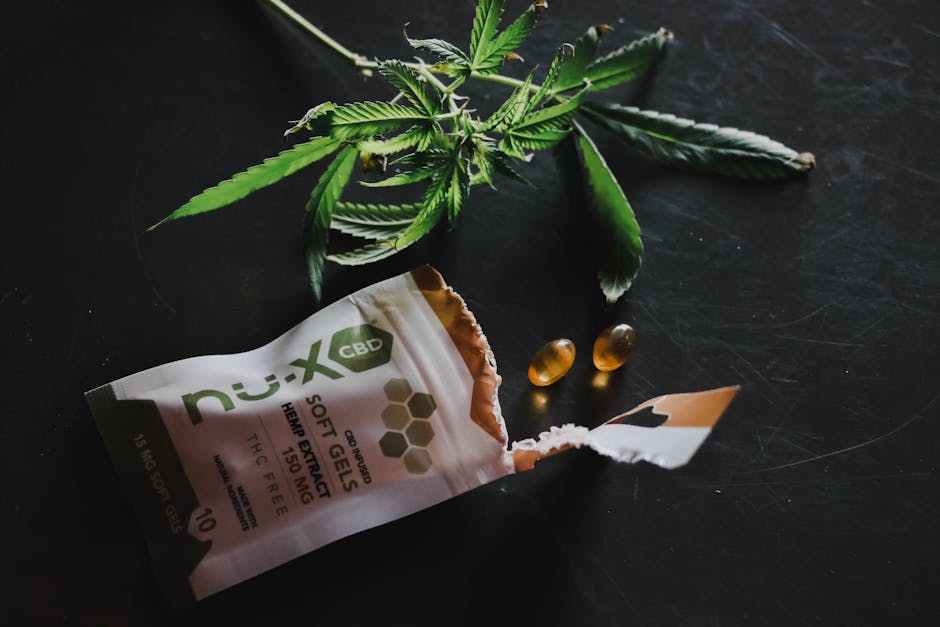
Use this checklist when a brand says it tests its products:
- Match the batch: Compare the batch or lot number on the package with the number on the COA. Check the date: Look for a report tied to the product’s current production, not just a testing statement without a date. Confirm the lab: The report should identify the laboratory. Ask whether it is independent of the brand and whether its qualifications are available. Review the cannabinoid results: Look for CBD and THC results, including delta-9 THC and, where reported, other relevant cannabinoids. Read the reporting limits: “Not detected” means the lab did not find the substance above its stated detection or reporting threshold. It does not necessarily mean absolute zero. Check the amount per serving: Compare the lab’s results with the label’s CBD amount and serving size. A bottle’s total CBD is not the same as the amount in one serving. Look for contaminant testing: Depending on the product, reports may cover heavy metals, pesticides, residual solvents, or microbes. Testing scope varies, so see what was actually checked.
A brand may also describe lab testing and refinement steps. Ask what those steps are, what they are meant to remove, and whether the finished batch was tested afterward. Refinement claims describe a process; a batch COA provides evidence about the tested sample. Ideally, shoppers can review both the process information and the final-product results.
Questions Parents May Ask
“Will broad-spectrum CBD get me high?”
CBD is not typically intoxicating like THC. Broad-spectrum products are intended to have THC removed, but check the batch report rather than relying only on the name. Also, a person’s response can depend on the product and other factors.
“Is it safe for older adults?”
There is no single answer for everyone. CBD for older adults deserves particular care because many people in this age group take prescription medicines, use over-the-counter products, or manage ongoing health conditions. CBD may interact with some medications, and it can cause side effects. A pharmacist or clinician can review a specific product and medication list before someone tries it.
It is sensible to bring the bottle or its COA to that conversation. Do not stop or change a prescribed medicine to make room for a supplement without medical advice. Be especially cautious of products claiming to treat or cure a disease; a bold claim on a website is not the same as reliable clinical evidence or regulatory approval.
“Can I trust the label?”
The label is a starting point, not the whole story. Look for clear ingredient and serving information, a way to contact the company, and a batch-specific COA that is easy to access. If the brand cannot provide a matching report or explain its testing, choose not to guess.
One More Shopping Detail: Don’t Ignore Price
A common mistake in scraped product articles is leaving out prices entirely. That makes it hard for readers to compare options, especially when one bottle contains more servings or more CBD than another. If an article does not list prices, do not fill in the blanks with a guess: prices change, and this guide is not a current price survey.
When comparing products, check the price on the seller’s own site and compare the cost per serving or per milligram of CBD—not just the sticker price. A lower price does not prove lower quality, and a higher price does not prove better testing. Use the COA, ingredient list, serving size, and current price together.
A Simple Script to Use With Your Parents
If the terminology is getting in the way, try this:
“Broad-spectrum CBD is made to keep CBD and some other hemp compounds while removing THC. Full-spectrum can contain some THC, and isolate is mostly CBD by itself. None of those names proves what’s in a bottle, so we should match the package’s batch number to a lab report. If drug testing or medications are a concern, let’s ask a pharmacist or clinician before buying.”
The Bottom Line
Broad-spectrum CBD sits between full-spectrum products, which may contain THC, and isolate, which is intended to contain mostly CBD. It is often marketed as a THC-free option, but the phrase on the label is not a guarantee—especially for anyone worried about drug testing.
Keep the conversation practical: check a batch-specific COA, understand what the lab did and did not test, and ask a pharmacist or clinician about medication concerns. That approach helps parents make an informed decision without relying on confusing jargon or promises a product cannot substantiate.