You meant to watch one episode. Then autoplay started the next one, the new episode ended on a cliffhanger, and suddenly bedtime feels less like a choice than a negotiation. If that sounds familiar, you don’t need more willpower or a perfect evening. You need a wind-down routine that makes stopping easier and gives your brain a clear next step.
Streaming services are designed to reduce friction: press play, keep watching, avoid deciding what comes next. That can be convenient during the day, but at night the same features can quietly stretch screen time. A useful sleep routine doesn’t have to ban entertainment. It creates a dependable transition from watching to resting, with a realistic screens off time and a few low-effort cues to help you follow through.
Why it can be hard to stop watching
Streaming is good at keeping the next choice close at hand. Autoplay removes the pause where you might otherwise ask, “Do I actually want another episode?” Full-season drops make it easy to move from one episode to the next without waiting a week or even making a fresh plan. A cliffhanger adds another nudge: you want to know what happens.

These design choices are not a personal failing on your part. They’re product decisions that make continued viewing convenient. Reed Hastings, Netflix’s co-founder and former CEO, famously described sleep as a competitor for the company’s time and attention. That remark captures an important tension: services are built to hold attention, while your body still needs rest. You can respond by changing the setup, rather than treating every late night as a test of discipline.
Watching can also become part of a habit loop. A familiar cue—finishing dinner, getting into bed, feeling stressed—leads to pressing play. Watching provides a reward, such as distraction, comfort, or a break from decisions. Over time, the sequence can become automatic. The goal of a wind down routine is not to remove every reward from your evening. It’s to give yourself another satisfying sequence to follow when the show ends.
Start with a screens off time you can keep
Before picking a bedtime, check your profile settings. If you share a streaming account, look at the settings on the profile you actually use: autoplay controls may be profile-specific, and other preferences can vary by service. This small check is more useful than assuming one setting changed every screen in your home. You can also check your phone’s bedtime, focus, or app-limit settings so the plan works across devices.
Next, choose a screens off time that leaves enough space for your evening to wind down before bed. It does not need to be dramatic. If you currently watch until midnight, setting an 8:30 p.m. cutoff may be too Additional hints big a jump to stick with. Try ending screens 15 or 30 minutes earlier for a week, then adjust if that feels manageable.
Make the rule concrete. “I’ll watch less” leaves a lot of decisions for your tired, end-of-day brain. “I’ll stop streaming at 10:15 p.m. and make tea” is easier to act on. If you’re watching with someone else, agree on the stop point before the episode starts. That way, deciding whether to continue doesn’t land at the exact moment the cliffhanger hits.
Make stopping easier before you press play
Product design often works by reducing friction. You can borrow that idea for the part of your evening you want to protect: add a little friction to continued watching and remove friction from your wind-down routine.
- Turn off autoplay where the service allows it. This creates a pause after an episode, so continuing requires a deliberate choice rather than happening by default. Choose the episode limit in advance. One episode, or two episodes ending by a set time, is clearer than “just a little more.” Watch somewhere other than bed when possible. Keeping the bed for sleep can make it easier to treat it as a resting place rather than the default viewing spot. Set a timer or device reminder. A gentle alert can serve as an external cue when attention is absorbed in the story. Put the remote in a set place when you stop. A small physical action can mark the transition instead of leaving the next episode one tap away.
Autoplay is a friction remover: it smooths the path to the next episode. Turning it off doesn’t force you to stop, but it puts a moment of choice back into the path. That moment is valuable at night, when decision fatigue can make the easiest option feel like the only option.
Use a short, repeatable wind-down routine
A wind-down routine doesn’t need to be elaborate. In fact, a complicated checklist can become one more thing to avoid when you’re tired. Build a short sequence of familiar actions that takes about 15 to 30 minutes and signals that the day is shifting toward rest.
Close the viewing loop. Stop at your chosen time, turn off the screen, and put the remote or device away. Change the environment. Dim the lights, lower the volume in the room, or move to a quieter spot. Take care of a practical task. Brush your teeth, wash your face, set out clothes for tomorrow, or do one small reset around the home. Choose an off-screen activity. Read a paper book, stretch gently, listen to calm audio with the screen dark, or write down what you need to remember. Get into bed when you’re ready to sleep. Aim for a familiar sequence rather than demanding that you feel instantly relaxed.
A paper notepad by the couch or bedside can help if thoughts about tomorrow keep pulling you toward your phone. Write down a reminder, a task, or the question you’re tempted to look up. You can return to it in the morning. The point isn’t to plan your whole life at night; it’s to give your mind a place to park one thought.
Plan for cliffhangers and decision fatigue
Cliffhangers are especially effective at making the next episode feel urgent. Full-season drops can add to that pull because there’s no natural week-long wait between installments. If you know a particular show reliably keeps you watching, don’t make your stopping plan while the credits are rolling. Decide beforehand which episode is the last one for the night.
You can also create a planned ending that feels complete enough. Choose an episode that isn’t the finale, or save a high-stakes series for an earlier viewing window. If stopping mid-story feels irritating, pair the cutoff with a small reward you genuinely like: a favorite herbal tea, a comfortable robe, a few pages of a book, or a relaxing playlist. The reward doesn’t have to compete with the show on spectacle. It just needs to make the next step feel pleasant.
At night, even a simple choice can feel like effort: Should I watch something else? Should I brush my teeth first? Should I check one last message? A prepared routine cuts down on those decisions. Instead of deciding from scratch, you follow the same short sequence. This is not about being rigid; it’s about making the evening easier when your attention is worn out.
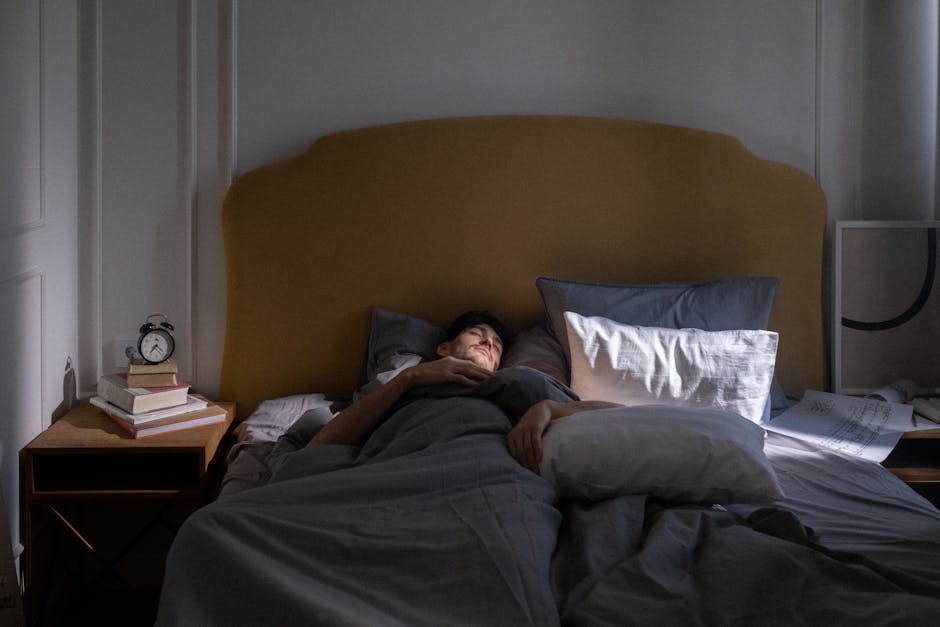
Recognize revenge bedtime procrastination
Sometimes late-night watching isn’t only about the show. It can be a way to reclaim personal time after a day filled with work, caregiving, errands, or demands from other people. Staying up can feel like the only part of the day that belongs to you. This pattern is often called revenge bedtime procrastination.
The name can sound like a scolding, but the useful question is not “Why can’t I be more disciplined?” It’s “What am I trying to get from this time?” Maybe you want entertainment, quiet, connection, or a sense that the day is finally yours. If your wind-down routine removes the only enjoyable part of the evening, it may not be sustainable.
Try reserving some intentional leisure earlier in the evening, before you’re exhausted. That could mean one planned episode, a hobby, time with a friend, or simply sitting without a task. Then keep a smaller, screen-free pleasure for the final part of the night. The aim is to make room for enjoyment without letting it consume the time you need for rest.
Keep wellness products in perspective
Some people consider sleep-related products as part of an evening routine. If you’re looking at brands such as Joy Organics, read the product label and claims carefully, and don’t assume a product will solve a viewing habit or replace a consistent routine. Be skeptical of vague language such as “proprietary blend” when it doesn’t clearly tell you what’s included or how much. For health questions, especially if you take medication or have a medical condition, ask a qualified healthcare professional rather than relying on marketing copy.
Likewise, avoid turning bedtime into a high-pressure performance. A routine is a practical set of cues, not a guarantee of perfect sleep. If sleep problems persist or are affecting your daily life, consider talking with a healthcare professional.
A simple routine to try tonight
When What to do Why it helps Before the episode Pick a stopping time and check autoplay settings. Moves the decision out of the cliffhanger moment. At screens off time Turn off the TV, put the remote away, and dim the lights. Creates a clear cue that viewing is finished. Next 10 minutes Brush your teeth, prepare for tomorrow, or make a warm drink. Gives your attention a familiar next step. Final 10–15 minutes Read, stretch gently, or write a short note on paper. Offers a lower-stimulation way to transition toward bed.Adjust the routine instead of abandoning it
Try your plan for several nights, then notice where it breaks down. If you stop the show but reach for your phone, charge it outside the bedroom or choose a paper activity in advance. If the cutoff is unrealistic, move it later temporarily and shift it earlier in smaller steps. If you feel resentful about losing your evening, schedule more leisure before your screens off time.
The best wind down routine is not the most impressive one. It’s the one that works on an ordinary Tuesday, when you’re tired and the next episode is ready. Set up your profile and devices to support your plan, make the stopping point before the story gets suspenseful, and give yourself something pleasant to do after the screen goes dark. With a few repeatable cues, your sleep routine can become less of a nightly debate and more of a familiar landing.