A certificate of analysis, or COA, is a laboratory report for a particular hemp or CBD product sample. It can help you check what a product contains and whether a lab tested it for certain contaminants. But a COA is only useful for your bottle if you can connect the report to the product’s batch or lot number.
That’s why a QR code alone is not proof of traceability. It might open the exact lab report, a general product page, or a list of reports with no clear way to pick the right one. A reliable batch number lookup CBD process should let you match the code printed on your package to a report for the same product and production batch.
In this guide, you’ll learn how to check that connection, what a COA can—and cannot—tell you, and how to spot common label and report problems. The same habits apply whether you find a brand through a retailer, a publication such as The Daily News (thedailynewsonline.com), or a product page reached through a QR code.
What Does “Searchable by Batch Number” Mean?
A batch number, sometimes called a lot number, identifies a specific production run. It is usually printed on the bottle, carton, pouch, or a sticker on the packaging. A searchable COA system connects that identifier to a lab report for the product made in that run.
A useful coa archive batch search may have a search box where you enter the code, a product list with batch numbers, or a QR code that opens a report and identifies the matching lot. The goal is not just to find a COA. It is to find the COA that corresponds to the item in your hand.
Batch-specific records matter because formulas, ingredients, and test results can differ between production runs. A report for last year’s batch—or for a different strength or flavor—doesn’t establish what is in your current bottle.
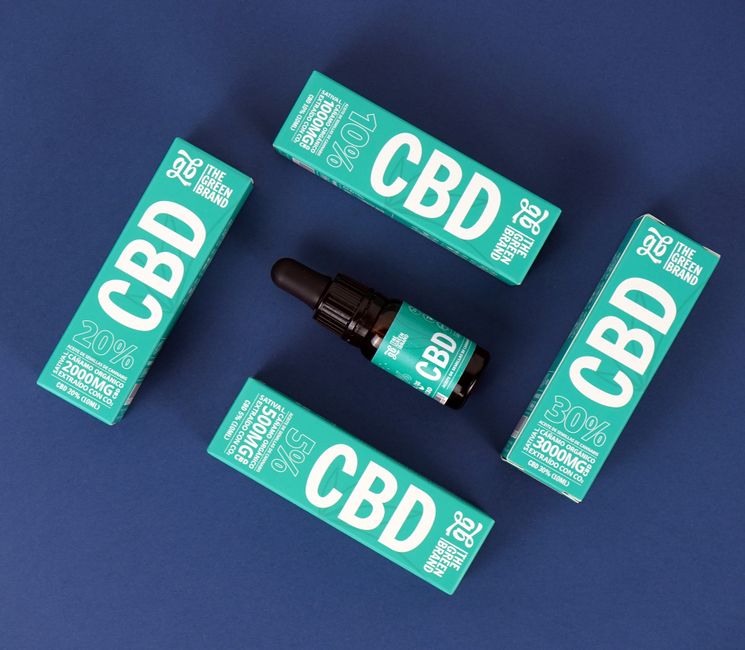
How to Check a CBD COA Against Your Bottle
Find the batch or lot number. Check the bottle and outer packaging. It may be labeled “LOT,” “Batch,” or “Lot No.” If you cannot find one, contact the company and ask where it is printed. Use the QR code or brand website. A QR code on packaging linking to a lab report document can be convenient. Scan it and see whether it opens the actual report or a clearly labeled page that lets you select your product and batch. Enter the code exactly. Try the letters and numbers as printed. If the search fails, check for common look-alikes, such as O and 0, or I and 1. Don’t assume a similar code is the right one. Match the report details. Confirm the product name, formulation, strength, and batch or lot number. Check that the report’s sample information is consistent with your package. Review the report date and results. A report should identify the testing laboratory and show results, units, and methods or testing categories. Look for readable data rather than a promotional graphic that only says “lab tested.” Ask the company if anything does not line up. Send customer service a photo of the package and the COA you found. Ask them to confirm in writing whether that report matches your exact batch.A QR code that opens a homepage is not automatically a red flag, but it makes verification less direct. You should still be able to navigate to a batch-specific report without guessing. A lab report database is most helpful when it is organized by product and lot, not merely by brand name.
What Should Match Between the COA and the Label?
Start with identity. The report should make it possible to connect the tested sample to the product you bought. Compare the label’s product name, product type, cannabinoid strength, and batch number with the report. If a company has several tinctures, a COA for one formula should not be used to stand in for all of them.
Next, look at the cannabinoid results. A report may show CBD as cannabidiol or “CBD,” and may list related compounds such as CBDA, CBG, or THC. Check the units: results may be shown as milligrams per gram, milligrams per milliliter, a percentage, or total milligrams in the sample. Those units are not interchangeable without context.
Also check what the report actually tested. A cannabinoid profile is different from contaminant testing. Depending on the product and laboratory, reports may include tests for pesticides, heavy metals, residual solvents, microbes, or other substances. Do not assume a test was performed just because a COA exists. Look for the named test and its result.
Milligrams per Serving Versus Milligrams per Bottle
One of the easiest ways to misread a CBD label is to confuse the total amount in the bottle with the amount in one serving. The front label may emphasize a large number—such as 1,000 milligrams—without making the serving size equally obvious.
For example, a 1,000 milligram tincture in a one ounce bottle is roughly 30 servings, about 33 milligrams per serving, if the serving is one milliliter and the bottle contains about 30 milliliters. That is an estimate: the actual serving depends on the bottle’s labeled volume and the manufacturer’s serving-size instructions. A dropperful is not always exactly one milliliter, so check the label rather than relying on “one dropper” as a universal measure.
Label detail What it means What to verify Total CBD per bottle The stated CBD amount in the full container Whether the COA’s CBD result is consistent with the product claim CBD per serving The stated amount in the recommended serving Serving volume and number of servings per bottle Total cannabinoids A combined amount for multiple cannabinoids Whether CBD is listed separately, not just included in a totalUse the COA’s units carefully. A result reported for a laboratory sample may not equal the amount in your entire bottle unless the report explains the sample size and calculation. If the label advertises CBD but the report only provides an unclear “total cannabinoids” figure, ask for a report that identifies CBD specifically.
“Total Cannabinoids” Is Not the Same as a Clear CBD Number
“Total cannabinoids” can include CBD and other cannabinoids. It does not tell you how much of the total is CBD unless the report breaks out the individual compounds. A product could have a stated total while offering little detail about its CBD content.
Look for a distinct CBD result, and check whether the report also identifies compounds such as CBDA and THC. If the COA gives only a combined number, the company should explain what is included and provide the individual results when available. Vague claims such as “high potency” or “full cannabinoid profile” are not substitutes for amounts and units.
Full Spectrum, Broad Spectrum, and Isolate
These terms describe different kinds of hemp extracts, but they do not replace a COA. Labels are not always used consistently, so use the report and the company’s product description together.
- Full spectrum: Generally refers to an extract containing CBD and other naturally occurring hemp compounds, which may include THC. Check the COA for the actual cannabinoid profile and the product’s THC information. Laws and limits vary by jurisdiction. Broad spectrum: Usually describes an extract with CBD and other hemp compounds, with THC removed or reduced according to the product’s formulation. Do not treat the term as proof that a product contains zero THC; check the report and ask how the brand defines it. Isolate: Typically refers to CBD isolated from other hemp compounds. The COA should show CBD and indicate whether other cannabinoids were detected. “Isolate” does not guarantee a particular purity unless the test results support that claim.
If a product makes a specific claim—such as THC-free—look for a relevant result and understand the lab’s reporting limit. “Not detected” generally means the compound was below the method’s detection threshold, not necessarily that no molecule could exist in the product.
Watch for Hemp Seed Oil Bait-and-Switch
Hemp seed oil and CBD oil are not the same thing. Hemp seed oil is made from hemp seeds and is commonly sold as a food or cosmetic oil. CBD is a cannabinoid associated with the hemp plant’s flowers, leaves, and stalks. A product can use hemp seed oil as a carrier for CBD, but hemp seed oil by itself is not evidence that a product contains CBD.
Read the ingredient list and the front label together. If packaging prominently says “hemp oil” but does not state a CBD amount, check whether the product is actually a CBD product. A COA that reports no CBD—or does not test for it—cannot verify a CBD claim. If the company’s website and package use different terminology, ask for clarification before buying.
Red Flags in a COA Archive or Batch Search
Some issues may have an innocent explanation, but they are worth resolving before you rely on a report. My quick label side-eye list includes “lab tested” with no report, “total cannabinoids” with no CBD number, a QR code that goes only to a homepage, and medical promises on packaging.

- The batch number on the report does not match the package, or no batch number appears anywhere. The COA is for a different product, strength, flavor, or formulation. The report has no clear lab identity, testing date, sample description, or readable results. Results appear only as a badge or summary with no supporting report. The archive lists reports but offers no way to tell which one belongs to your lot. The company will not explain a mismatch or provide the relevant report.
Remember that a COA is a snapshot of a tested sample, not a guarantee that every bottle is identical or that a product will have a particular effect. Testing quality, sampling, storage, and manufacturing practices all matter. A report also does not establish that CBD is appropriate for you or that it is safe alongside your medications. If you are pregnant, nursing, taking medication, or managing a health condition, speak with a qualified healthcare professional before using CBD.
Questions to Ask a CBD Company
If a batch number lookup CBD page is confusing, a short, specific question is often more useful than a general request for “the lab results.” You can ask:
- Can you confirm that this COA matches the batch number printed on my package? Where can I search your COA archive by batch or lot number? Does the report list CBD separately from total cannabinoids? What serving size and bottle volume were used to calculate the CBD per serving? Which tests are included in this report, and which are not? How do you define full spectrum, broad spectrum, or isolate for this specific product?
Brands such as Joy Organics may be familiar to shoppers, but familiarity is not a substitute for checking the exact package and report in front of you. Review each product and batch on its own merits; do not assume that a brand’s general testing page automatically corresponds to your bottle.
A Simple Checklist Before You Buy
Find a batch or lot number on the package. Scan the QR code or use the brand’s lab report database. Confirm that the report matches the exact product and batch. Check for CBD listed separately, with clear units. Compare bottle strength, serving size, and servings per container. Review the cannabinoid profile and the specific contaminant tests shown. Contact the company if anything is missing or inconsistent.A trustworthy COA process should make verification straightforward. A QR code on packaging linking to the lab report document is helpful, and a batch/lot number matching system is better still when it takes you directly to the relevant record. If the report cannot be tied to your product, the key question remains unanswered: “Is this the lab result for the batch I’m buying?”
Take a moment to check the code, compare the CBD number, and read the results in context. That small bit of label reading can help you distinguish a traceable product from one supported only by vague claims.
For readers who prefer listening, publishers and brands sometimes use services such as Trinity Audio to offer audio versions of articles. Audio can be convenient, but when verifying a product, it is still worth opening the actual COA and checking the Check over here batch details yourself.